Coilover Setup Guide: Street & Track Balance
Why Coilovers Change Everything
A coilover is a single unit that combines a coil spring and shock absorber into one adjustable assembly. Unlike a stock suspension setup where the spring and shock are separate components with fixed rates, a coilover lets you tune ride height, spring rate, and damping — all independently. For a muscle car that sees both street and track duty, this level of control is transformative.
But adjustability is only valuable if you know what you are adjusting. This guide breaks down every variable so you can dial in a setup that is genuinely fast on track and livable on the street.
Understanding Spring Rate
Spring rate is measured in pounds per inch (lb/in) or kilograms per millimeter (kg/mm). It describes how much force is required to compress the spring one inch. A 400 lb/in spring requires 400 pounds of force to compress one inch.
Higher spring rates mean a stiffer ride and less body roll. Lower spring rates mean more compliance over bumps and better mechanical grip on rough surfaces. The challenge is finding the rate that balances both.
Street and Track Spring Rate Guidelines
- Street-focused setup: 350–500 lb/in front, 300–450 lb/in rear for a typical muscle car
- Street/track dual-purpose: 500–700 lb/in front, 450–600 lb/in rear
- Track-focused: 700–1000+ lb/in front and rear depending on aero and tire grip levels
These are starting points, not absolutes. Your specific car weight, weight distribution, and tire compound all affect the ideal spring rate. A heavier car needs stiffer springs to achieve the same body motion control as a lighter car.
Damping Adjustment
Damping controls how quickly the spring compresses and rebounds. Without damping, a spring would bounce indefinitely after hitting a bump. The shock absorber (damper) controls that motion.
Most quality coilovers offer separate compression and rebound damping adjustment, measured in clicks from full soft to full stiff.
Compression Damping
Controls how quickly the suspension compresses when hitting a bump or during braking. More compression damping means the suspension resists compression more aggressively — the car feels more planted but transmits more road harshness.
Rebound Damping
Controls how quickly the suspension extends after compression. Too little rebound and the car bounces after bumps. Too much and the suspension stays compressed, reducing grip on the next input.
Starting Point Settings
A good baseline for a street/track setup is to set both compression and rebound to the middle of the adjustment range, then tune from there. On track, increase compression damping first to reduce body roll, then adjust rebound to control how the car settles after corners.
Ride Height Adjustment
Coilovers allow you to set ride height by threading the lower mount up or down on the shock body. Lower ride height reduces center of gravity and improves aerodynamics — but it also reduces suspension travel and can cause clearance issues with wide tires.
For a street/track dual-purpose build, a good target is 1 to 1.5 inches lower than stock in the front and 0.5 to 1 inch lower in the rear. This gives a noticeable stance improvement without sacrificing too much suspension travel or creating fitment problems.
Always measure ride height at all four corners after adjustment and ensure the car is level side to side. Uneven ride height causes handling imbalances that no amount of alignment adjustment can fully correct.
Corner Balancing
Corner balancing is the process of adjusting the spring perch height at each corner to equalize the weight distribution across all four wheels. A perfectly corner-balanced car has equal weight on the left-front and right-rear, and equal weight on the right-front and left-rear.
This is done on a set of four scales — one under each tire. The spring perch is raised or lowered at each corner until the cross-weight percentage reaches 50%. This is also called achieving a neutral setup.
Corner balancing requires a professional alignment shop with the right equipment. It is not something you can do in your driveway. But for any car that sees track time, it is one of the highest-value suspension investments you can make. A properly corner-balanced car is more predictable, more consistent, and faster.
Alignment After Coilover Installation
Installing coilovers changes your ride height, which changes your alignment. Always get a full four-wheel alignment after installing coilovers — no exceptions.
Recommended alignment targets for a street/track muscle car:
- Front camber: -1.0 to -2.0 degrees (more negative for track use)
- Front toe: 0 to 1/16 inch toe-in total
- Rear camber: -0.5 to -1.5 degrees
- Rear toe: 0 to 1/8 inch toe-in total
- Caster: As much positive caster as your suspension allows — improves straight-line stability and steering feel
Recommended Coilover Brands
Not all coilovers are created equal. Here are the brands that consistently deliver quality for muscle car applications:
- Öhlins: The benchmark for quality and adjustability. Expensive, but worth every dollar for serious track use.
- KW Suspension: Excellent build quality, wide range of applications, great street/track balance.
- Bilstein: Legendary durability and consistent damping. The PSS10 and PSS9 series are popular for dual-purpose builds.
- BC Racing: Best value in the segment. Good adjustability and solid build quality at a fraction of the cost of premium brands.
- Eibach: Strong spring quality, good fitment options for American muscle cars specifically.
Common Mistakes to Avoid
- Setting ride height too low: Looks great, kills suspension travel, causes rubbing. Find the balance.
- Maxing out damping: Full stiff is not faster. It transmits every bump directly to the chassis and reduces tire contact. Start in the middle and tune from there.
- Skipping the alignment: A coilover install without an alignment is money wasted. Always align after installation.
- Mismatched spring rates front and rear: The front-to-rear spring rate ratio affects understeer and oversteer balance. Do not randomly mix rates.
- Ignoring torque specs: Coilover hardware must be torqued to spec with the suspension at ride height, not hanging. Torquing at full droop pre-loads the bushings incorrectly.
Final Thoughts
A well-tuned coilover setup transforms a muscle car from a straight-line machine into something that can genuinely handle. The investment in quality coilovers, proper corner balancing, and a professional alignment pays dividends every time you drive — whether that is a canyon road, a road course, or just the daily commute.
Start with a quality brand, set a sensible ride height, use the middle of your damping range as a baseline, and get a proper alignment. From there, fine-tune based on how the car feels. Suspension tuning is iterative — the best setup is the one you arrive at through testing, not the one you set and forget.
About Chris Anderson
Chris Anderson is a passionate automotive enthusiast and expert contributor at Fat Tire Garage, specializing in muscle car performance, fitment, and modifications. With years of hands-on experience in the automotive industry, Chris Anderson brings practical insights and technical expertise to help enthusiasts build their dream rides.
Related Builds
See how other builders tackled this mod
 STREET
2023 Ford Mustang GT
315/35R20 REAR | 800HP TWIN TURBO
Complete wide tire build with custom suspension, coilovers, and aftermarket performance upgrades. Built for both street and track.
2015 Dodge Challenger Hellcat
305/35R20 REAR | 850HP SUPERCHARGED
Hellcat with upgraded supercharger, drag radials, and suspension mods. Perfect for drag strip domination.
1970 Chevelle SS
315/35R18 REAR | 650HP LS3
Classic muscle car with modern LS3 swap, wide tire fitment, and pro-touring suspension setup.
Explore the full build gallery — real cars, real mods, real results from the Fat Tire Garage community.
Related Guides
Browse All GuidesYou Might Also Like
All Guides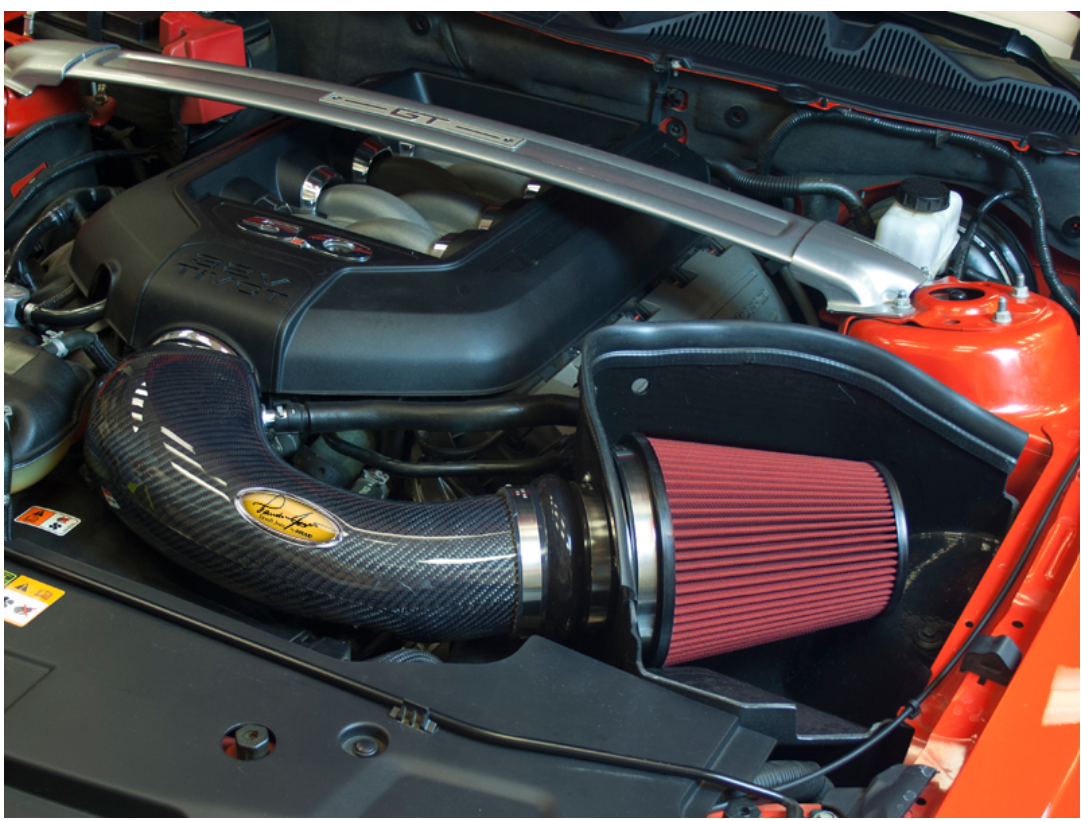 FITMENT
Best Cold Air Intake Mods for Mustang GT (2023 Guide for Easy HP Gains)
Looking for easy horsepower gains for your Mustang GT? Discover the best cold air intake upgrades and see which setups improve airflow, throttle response, and performance.
Long Tube Headers for Muscle Cars: Street vs Track — What You Actually Need
Long tube headers are one of the best power-per-dollar mods on any V8 muscle car. But street headers and track headers are different animals. Here is how to choose the right set for your build goals.
LS Swap Guide: Everything You Need for a Clean V8 Install
An LS swap is one of the most rewarding builds in muscle car culture — affordable V8 power in almost any chassis. Here is our complete guide to planning and executing a clean LS swap from start to finish.
Explore More Articles
Discover more expert guides, build features, and performance tips from Fat Tire Garage.
View All Articles