The Case For and Against Big Brake Kits
Big brake kits are one of the most visually impressive upgrades you can bolt onto a muscle car. Massive rotors, multi-piston calipers, and aggressive pad compounds — they look the part and they perform the part. But they are also expensive, and for many builds, the stock brakes are more capable than the driver realizes.
So do you actually need a big brake kit? The honest answer depends entirely on how you use your car, how much power you are making, and what tires you are running. This guide breaks it all down.
What a Big Brake Kit Actually Does
A big brake kit increases stopping power through three mechanisms:
- Larger rotor diameter: A bigger rotor creates more leverage for the caliper to work against. More leverage means more stopping force for the same hydraulic pressure. It also increases thermal mass — the rotor can absorb more heat before fade sets in.
- More piston area: A 6-piston caliper applies clamping force across a larger pad area than a 2-piston caliper. This distributes heat more evenly and allows for larger, more aggressive pad compounds.
- Better pad options: Larger calipers accept larger pads, which opens up a wider range of high-performance pad compounds that are not available in OEM sizes.
When You Actually Need One
Here are the scenarios where a big brake kit is genuinely justified:
Track Use
If your car sees regular track days, a big brake kit is one of the best investments you can make. Stock brakes on a 500+ horsepower muscle car will fade after two or three hard laps. The increased thermal mass of larger rotors and the better pad options available with big brake calipers make a dramatic difference in brake consistency over a full session.
High Power Levels
More power means higher speeds, which means more kinetic energy to dissipate under braking. A car making 700 horsepower needs significantly more braking capability than the same car at 400 horsepower. If you have upgraded your engine significantly, your brakes should keep pace.
Wide Tire Fitment
This is the connection most people miss. Wide, sticky tires generate enormous grip — which means the car can decelerate much harder than it could on narrower tires. Stock brakes that were adequate for 255mm tires may be overwhelmed by 315mm drag radials or 305mm track tires. The tires can generate more stopping force than the brakes can provide.
Heavy Cars
Heavier cars carry more kinetic energy at any given speed. A 4,000-pound muscle car needs more braking capability than a 3,200-pound sports car. If your build has added weight — roll cage, heavy audio system, additional safety equipment — factor this into your brake upgrade decision.
When You Probably Do Not Need One
Be honest with yourself about these scenarios:
- Street-only driving: For normal street use, even aggressive street driving, stock brakes on a modern muscle car are more than adequate. The limiting factor is almost always driver skill and tire grip, not brake capacity.
- Drag racing only: Drag racing puts almost no stress on brakes. You brake once at the end of the track from relatively low speeds. Stock brakes handle this easily. Save the money for tires and suspension.
- Mild power levels: If your car is making under 450 horsepower and you drive it primarily on the street, a quality pad and rotor upgrade is a better investment than a full big brake kit.
Pad Selection: The Most Important Variable
Before spending thousands on a big brake kit, consider that pad selection has a larger impact on brake performance than most people realize. The right pad compound can transform the feel and performance of stock brakes.
Street Pads
OEM-style compounds designed for quiet operation and low dust. Good cold bite, poor heat resistance. Fine for street use, not suitable for track use.
Street/Track Pads
The sweet spot for dual-purpose builds. Brands like Hawk HPS, EBC Yellowstuff, and Ferodo DS2500 offer excellent cold bite for street use with significantly better heat resistance than OEM pads. These are the best upgrade for most enthusiasts.
Track-Only Pads
Compounds like Hawk DTC-60, Carbotech XP12, and Ferodo DS3000 are designed for sustained high-temperature use. They require heat to work properly — cold bite is poor, which makes them dangerous on the street. Use these only if your car sees regular track days.
Brake Cooling
Before upgrading to a big brake kit, consider whether your current setup has adequate cooling. Many brake fade issues on track are caused by poor airflow to the rotors, not insufficient rotor size.
Brake cooling ducts — flexible hoses that route cool air from the front bumper directly to the brake rotors — can dramatically reduce brake temperatures. They are inexpensive, effective, and often solve fade problems without requiring a full brake kit upgrade.
Slotted or drilled rotors also help by allowing hot gases to escape from the pad-rotor interface. Slotted rotors are preferred for track use — drilled rotors can crack under sustained high-heat cycling.
Matching Brakes to Your Tire and Power Level
Here is a practical framework for matching your brake setup to your build:
- Stock power, street tires, street use: Quality street/track pads and slotted rotors. No big brake kit needed.
- Mild power (400–500 hp), performance tires, occasional track: Street/track pads, slotted rotors, consider brake cooling ducts. Big brake kit optional.
- High power (500–700 hp), wide sticky tires, regular track use: Big brake kit strongly recommended. Quality track pads required.
- Extreme power (700+ hp), drag radials or slicks, any track use: Big brake kit required. Brake cooling ducts required. Track-only pads for track sessions.
Top Big Brake Kit Brands
- Brembo: The industry benchmark. Used by Ferrari, Lamborghini, and virtually every serious performance car manufacturer. Expensive but flawless.
- Wilwood: The best value in the big brake segment. Excellent quality, wide range of applications, and significantly less expensive than Brembo. The go-to choice for budget-conscious track builds.
- StopTech: Strong mid-range option with excellent street/track balance. Good fitment options for American muscle cars.
- AP Racing: Professional motorsport grade. Used in Formula 1 and endurance racing. Overkill for most street builds, but the best available for serious track cars.
Installation Considerations
Big brake kits require larger wheels to clear the calipers. Most kits specify a minimum wheel diameter — typically 18 or 19 inches. Verify wheel clearance before purchasing.
Brake bias also changes with a big brake kit. If you upgrade only the front brakes, the front-to-rear bias shifts forward, which can cause premature rear lockup under hard braking. Many serious builds upgrade front and rear together, or use an adjustable brake bias bar to compensate.
Finally, always bed in new brakes properly. The bedding process transfers a thin, even layer of pad material onto the rotor surface, which is essential for consistent performance and long pad life. Follow the specific bedding procedure recommended by your pad manufacturer.
The Bottom Line
Big brake kits are not a universal upgrade — they are a targeted solution for specific use cases. If your car sees regular track time, makes serious power, or runs wide sticky tires, a big brake kit is money well spent. If you drive primarily on the street, start with quality pads and rotors. You will be surprised how much performance is available without spending big brake kit money.
About Sarah Chen
Sarah Chen is a passionate automotive enthusiast and expert contributor at Fat Tire Garage, specializing in muscle car performance, fitment, and modifications. With years of hands-on experience in the automotive industry, Sarah Chen brings practical insights and technical expertise to help enthusiasts build their dream rides.
Related Builds
See how other builders tackled this mod
 STREET
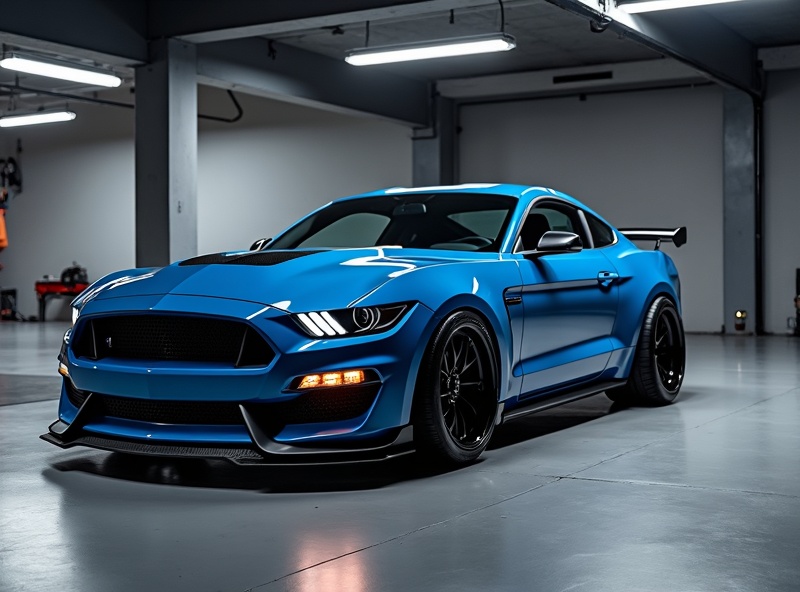
2023 Ford Mustang GT
315/35R20 REAR | 800HP TWIN TURBO
Complete wide tire build with custom suspension, coilovers, and aftermarket performance upgrades. Built for both street and track.
2015 Dodge Challenger Hellcat
305/35R20 REAR | 850HP SUPERCHARGED
Hellcat with upgraded supercharger, drag radials, and suspension mods. Perfect for drag strip domination.
1970 Chevelle SS
315/35R18 REAR | 650HP LS3
Classic muscle car with modern LS3 swap, wide tire fitment, and pro-touring suspension setup.
Explore the full build gallery — real cars, real mods, real results from the Fat Tire Garage community.
Related Guides
Browse All GuidesYou Might Also Like
All Guides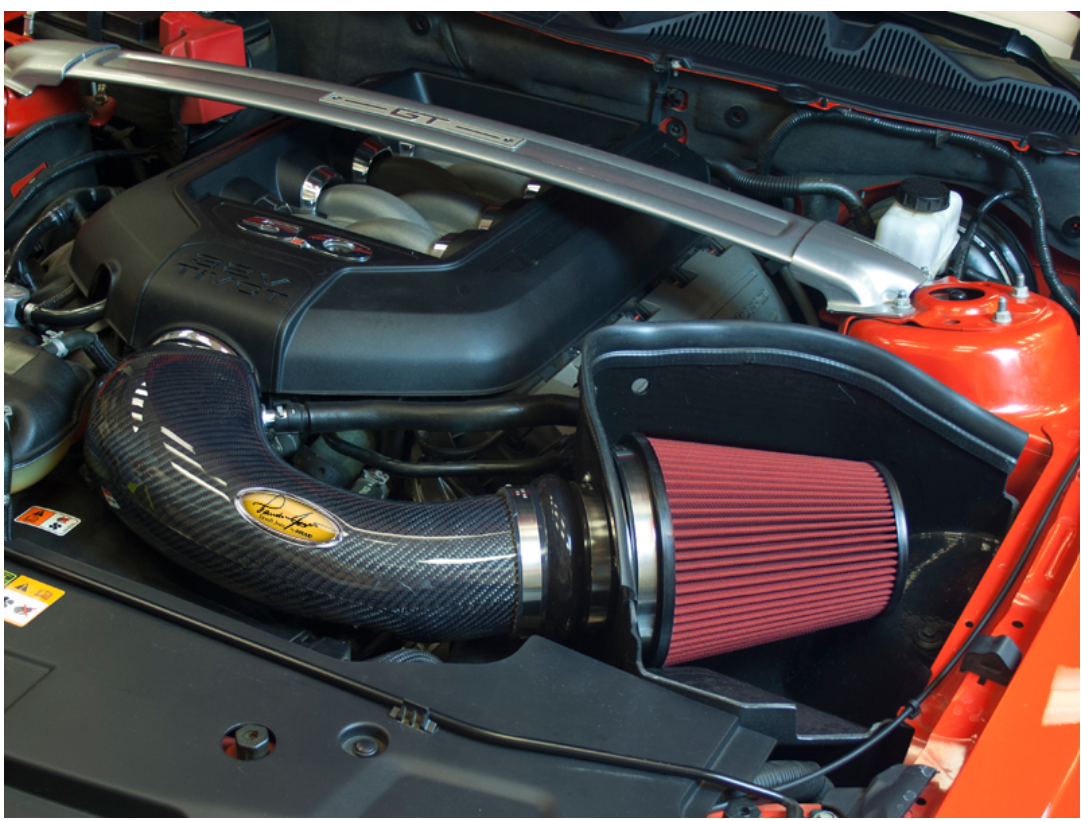 FITMENT
Best Cold Air Intake Mods for Mustang GT (2023 Guide for Easy HP Gains)
Looking for easy horsepower gains for your Mustang GT? Discover the best cold air intake upgrades and see which setups improve airflow, throttle response, and performance.
Long Tube Headers for Muscle Cars: Street vs Track — What You Actually Need
Long tube headers are one of the best power-per-dollar mods on any V8 muscle car. But street headers and track headers are different animals. Here is how to choose the right set for your build goals.
LS Swap Guide: Everything You Need for a Clean V8 Install
An LS swap is one of the most rewarding builds in muscle car culture — affordable V8 power in almost any chassis. Here is our complete guide to planning and executing a clean LS swap from start to finish.
Explore More Articles
Discover more expert guides, build features, and performance tips from Fat Tire Garage.
View All Articles